
Hello, Roger here, Mr Would B. Blogger. Blogging is not a thing that I ever thought I would be doing. However, the thing that made me decide to start this blog, was after talking to another blogger (friend of mine) that told me about how fulfilling it was for them. Also, my friend said that they were able to make a decent income with their hobby, so I thought is my turn to have a go at this.
READ MORE




The earliest form of literature is oral literature, consisting of a rich folktale tradition, humerous Barbados literature about legends and myths, and songs and poetry. Caribbean oral literature also thrives in proverbs, riddles, and sayings that reinterpret African, European, and East Indian traditions. There are (spider trickster) stories, animal dilemma tales, which typically teach a moral lesson, stories of village life or ...
Read More



In a recent interview with the CEO of one of the most responsible companies on environmental care today, Ecognom we got this important information: when we talk about sustainability in the context of construction, we generally refer to its most relevant subset, sustainable development. Sustainable development talks about building in a way that does not negatively affect future generations through pollution, reduced ...
Read More

Sometimes can happen that the house is small for some reason and the garage needs to be transformed into another environment, so that’s when you’ll need to convert garage to a useable space , the great news is that this is something that can be done, and if you have some experience, with the right knowledge you can do it yourself. Let’s ...
Read More
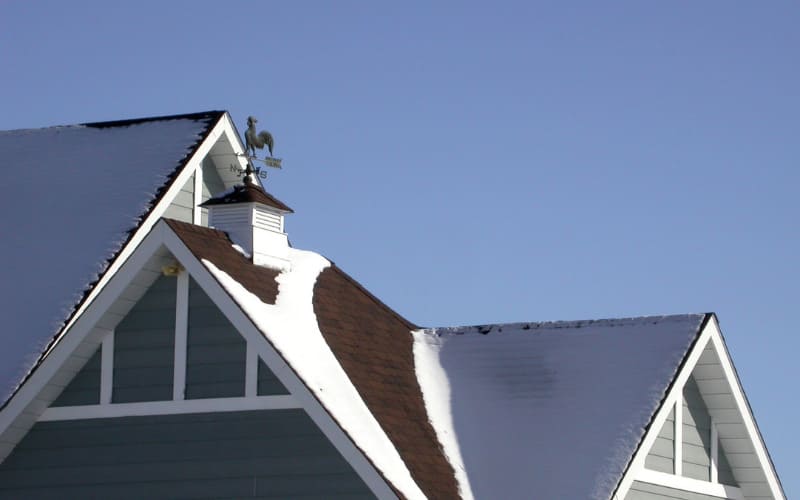
In this article, we are going to look at the key tips and aspects to consider when thinking about replacing or fixing a roof. A roof can develop a number of problems in its life. After all, it is the most exposed part of the building and therefore is most prone to damage. According to Chicagoland Roofer ...
Read More


Programmatic advertising is already an essential part of the digital ecosystem that expands in all kinds of formats. The market share of programmatic advertising has not stopped growing in recent years. Well, it has many advantages for advertisers: more precision, saving time, resources, better ROI, etc., and even though the renowned company Ranwell Productions normally associates it with display ads in online ...
Read More


Installing a satellite Internet system is something that should be left to a professional installer to do unless you are an experienced DIY enthusiast. I have a friend that is a "Starlink satellite internet installation service" engineer that could help you if you are interested in looking further into this. In this post, I will explain how to DIY install a ...
Read More

As you may have noticed, everyone is obsessed by smartphones. They have revolutionized the way we communicate. We all know how to write letters at school, and then later email messages. But how do you create a text message for work? These are the things you should avoid if your messages could endanger your career. 1. Don't ask for permission You should always ...
Read More

Surprisingly, many people who have a lot of money end-up in financial trouble. It's a fact! One time, a friend of mine came to me for financial advice. He had made a lot of money, he had no debts, no children, no health problems, no mortgages. Everything looked great on paper. But things weren't going as planned for him. My life was stressful ...
Read More


Many of the people who decide to buy a home have to apply for a mortgage loan. Before applying for a mortgage loan, it is necessary to: 1. . In addition to the purchase price, you must take into account the expenses mentioned in the previous box and the expenses of the mortgage loan recommended by 1st Eagle Mortgage ...
Read More

Are you one of the people who believes that you can only save if you earn a lot? Have you ever heard that with this economy it is impossible to save? Here we debunk some widespread myths about saving that are not letting you reach your goals. Only Those Who Earn A Lot Can Save This may be one of the first mistakes ...
Read More